

A lasting relationship might have less to do with grand romantic gestures than with the small moments couples barely notice. Research suggests that how partners respond to everyday attempts at connection can reveal a surprising amount about their future together.
You can exercise five days a week, eat balanced meals, sleep eight hours a night, and still feel completely disconnected from everyone around you. On paper, your health habits look excellent. Your social life might tell a different story.
A major study published in August 2026 found that men experiencing both loneliness and social isolation had an estimated 5.8 fewer years free of depression and anxiety compared with men experiencing neither. For women, the difference was 3.7 years.
Researchers also uncovered something that complicates the usual wellness advice.
Healthy lifestyle habits appeared to reduce some health disadvantages associated with social isolation, but they didn’t significantly offset those associated with loneliness.
We’ve gotten pretty good at tracking our steps, calories, and sleep.
But what happens when someone checks every box and still has nobody they feel close to?
What the Study Actually Found
Published in Nature Communications on August 20, 2026, the research involving 277,489 UK Biobank participants examined how loneliness and social isolation were associated with healthy life expectancy.
Participants were between 40 and 69 years old when recruited between 2006 and 2010.
Researchers tracked their health for approximately 13 to 14 years, focusing on seven major conditions, including cardiovascular disease, cancer, diabetes, depression, and anxiety.
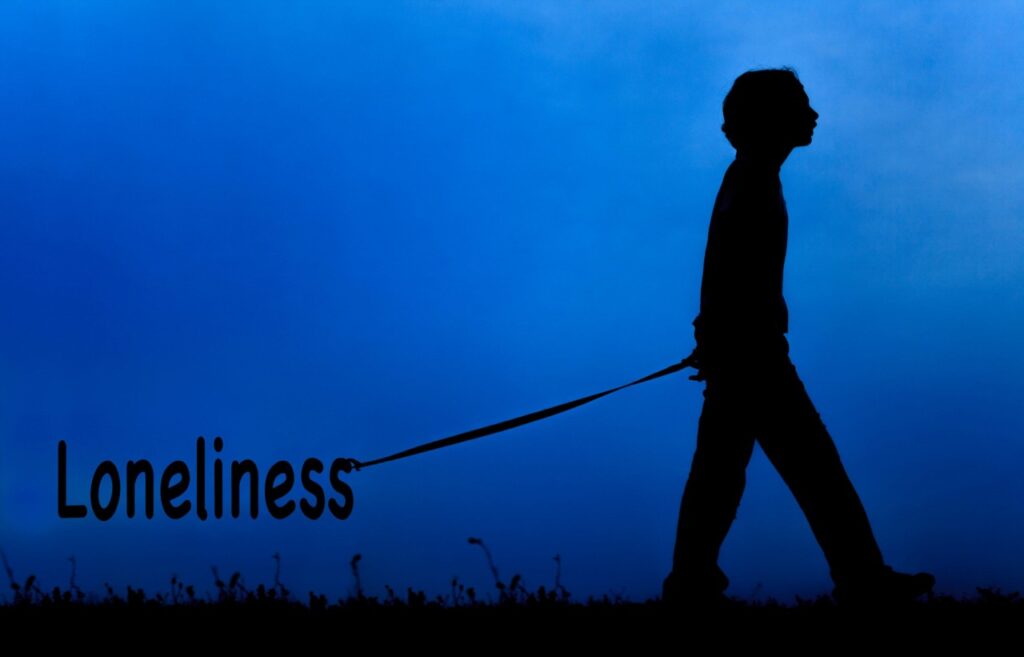
One important distinction matters here. Social isolation and loneliness aren’t interchangeable.
Social isolation describes having limited relationships or social contact. Loneliness describes feeling disconnected or lacking the relationships you want, even when other people are physically present.
Researchers assessed isolation using factors such as living alone, infrequent visits, and limited participation in social activities. Loneliness measures included frequent feelings of loneliness and limited opportunities to confide in someone.
Among participants, 3.3% experienced loneliness alone, 6.8% experienced social isolation alone, and 0.8% experienced both.
People experiencing both generally had worse outcomes.
At age 50, men experiencing both conditions had an estimated 1.7 fewer years free of five major physical diseases. Women had 2.4 fewer years.
A 2022 American Heart Association scientific statement linked loneliness and social isolation with a 29% higher risk of heart attack or heart disease death and a 32% higher risk of stroke or stroke-related death. Apparently, social disconnection isn’t just a mental health concern. Its associations extend to physical health, too.
Mental health differences were considerably larger.
Men experiencing both had 5.8 fewer years free of depression and anxiety, while women had 3.7 fewer years.
Being alone isn’t automatically unhealthy, and having a packed social calendar doesn’t guarantee emotional connection. Researchers measured two related problems, and separating them helps explain why fixing one might not solve the other.
Why Healthy Habits Didn’t Fully Close the Gap

Exercise, nutritious food, adequate sleep, and avoiding smoking are familiar recommendations for protecting long-term health.
Researchers examined those behaviors alongside body weight to see how lifestyle influenced the connection between social disconnection and disease-free life expectancy.
Results showed that healthier lifestyles narrowed some of the disadvantages associated with social isolation.
However, healthier habits did not significantly reduce the association between loneliness and fewer disease-free years.
That doesn’t mean physical activity or sleep are useless for mental health. Both can contribute to psychological well-being. It means researchers couldn’t establish that healthier habits meaningfully erased the disadvantage linked specifically to feeling lonely.
Consider someone working remotely who exercises every morning, prepares healthy meals, and rarely misses bedtime. That person might still spend most evenings without a meaningful conversation.
Gallup’s 2026 workplace report found that 24% of fully remote employees experienced significant loneliness the previous day, compared with 18% of employees working on-site in jobs that could be done remotely.
Working at home doesn’t automatically make someone lonely, but having control over your schedule clearly doesn’t guarantee meaningful social contact.
Adding another workout won’t necessarily change that situation.
A useful distinction is that exercise targets physical activity, while meaningful social interaction addresses an unmet need for connection. Improving one doesn’t automatically resolve the other.
There’s another complication. Loneliness and depression can influence each other, making it difficult to determine which problem developed first.
Healthy routines are worth maintaining. Treating them as substitutes for relationships, however, asks them to accomplish something they weren’t designed to do.
What This Means for Men and Their Mental Health

One of the most striking findings involved the difference between men and women.
Men experiencing both loneliness and isolation had 5.8 fewer years free of depression and anxiety, compared with 3.7 fewer years among women.
That’s a 2.1-year difference between the estimated disadvantages observed in the two groups.
Possible explanations include differences in emotional support, friendship patterns, and access to dependable relationships. However, researchers did not establish that any particular explanation caused the larger estimate among men.
Separate research offers a clue, although it doesn’t explain the study’s results directly. A 2025 OECD report found that 9% of men across 22 European countries had nobody to share private worries or fears with, compared with 7% of women.
As we reported in an analysis of why young American men are lonelier than their peers in wealthy countries, the gap is striking, although researchers haven’t established what explains it. Feeling lonely for one day also isn’t the same as experiencing chronic loneliness.
That difference might look small, but it points to something worth considering. Having friends and having someone you can actually open up to aren’t always the same thing.
Having coworkers, online contacts, or people to watch sports with doesn’t necessarily mean someone has a person they trust during a difficult period.
A man might interact with dozens of colleagues throughout the week and still have nobody he feels comfortable calling when something goes wrong.
Consider another finding that puts the issue in perspective.
According to the World Health Organization’s 2025 report on social connection, approximately one in six people worldwide experience loneliness.
Loneliness isn’t limited to people living alone or those with visibly small social circles.
For men, one practical question may be more useful than counting friendships: If something serious happened tomorrow, who could you actually talk to?
A large contact list isn’t always the same as a reliable support network.
Can People Actually Do Anything About Loneliness?
Telling adults to make more friends sounds reasonable until you consider work schedules, childcare, finances, and the uncomfortable reality of trying to build friendships after years of established routines.For someone working long hours, another weekly commitment might feel more like an obligation than a solution.
A more realistic approach involves strengthening existing relationships and creating opportunities for repeated contact.
For example, someone who regularly exchanges messages with an old friend could arrange a 20-minute phone conversation every Sunday. Regular contact creates opportunities for more meaningful conversations without requiring an entirely new social circle.
Shared hobbies, volunteering, recreational sports, and community activities can also create repeated interactions that may develop into friendships.
Consistency matters because meaningful relationships generally require time and mutual effort. Attending one event might introduce someone to new people, but it rarely creates immediate emotional closeness.
Digital communication deserves a more balanced assessment, too.
Video calls and messaging can help maintain important relationships, particularly when distance makes meeting difficult. However, scrolling through social media or accumulating online contacts doesn’t guarantee someone feels supported.
Another overlooked issue is access. Someone living in a rural community, working irregular shifts, or struggling financially may have fewer realistic opportunities to socialize.
Health problems can make things even more complicated. CDC data show that 11.5% of American adults had difficulty participating in social activities because of physical, mental, or emotional conditions in 2024, compared with 9.8% in 2019.
Advice to join a club or attend community events doesn’t accomplish much if someone’s health makes showing up difficult in the first place.
The Bottom Line
One detail deserves particular attention before anyone starts repeating the headline figure.
Men did not necessarily die 5.8 years earlier. Researchers estimated that men experiencing both loneliness and social isolation had 5.8 fewer years without depression or anxiety, starting at age 50.
That’s a measure of mental-health-free life expectancy, not total lifespan.
Research was observational, meaning it identified associations rather than proving that loneliness directly caused depression or anxiety. Participants were also middle-aged UK Biobank volunteers, so findings shouldn’t automatically be applied to every age group or population.
Still, the implications deserve attention.
Healthy eating, exercise, and sleep matter. So do meaningful relationships, emotional support, and opportunities to connect with other people.
We spend a lot of time talking about how to live longer. Maybe we should spend more time asking if people have the connections that help make those years healthier.