



Winter does not affect everyone’s mood equally. Some Americans notice little more than an inconvenience when daylight disappears before dinner.
Others experience persistent fatigue, disrupted sleep, and depressive symptoms that return with considerable regularity each year.
Recent seasonal affective disorder statistics suggest that 38% of Americans experience declining moods during winter, while 24% generally feel depressed during the season.
However, those figures describe self-reported experiences, not diagnosed seasonal affective disorder (SAD).
Clinical estimates are considerably lower, generally placing SAD prevalence around 5% of American adults, although individual studies have reported substantially different rates.
Geography adds another complication. Americans living in northern regions report more winter mood difficulties than those in southern and western areas.
Shorter days provide a plausible explanation, but sunlight exposure is only one part of a complicated medical picture.
How Many Americans Experience Seasonal Depression?
A national survey conducted in October 2022 questioned 2,211 U.S. adults about their mental health during winter. Results showed that 38% experienced a seasonal decline in mood, while 24% described generally feeling depressed during colder months.
Those numbers deserve attention, particularly because they indicate that winter-related emotional difficulties extend well outside the relatively small population diagnosed with SAD.
However, interpreting them as evidence that nearly four in ten Americans develop seasonal depression would be a substantial mistake.
SAD is a recognized seasonal pattern of depressive illness. Diagnosis requires more than feeling unusually tired or discouraged during December. Clinicians consider the severity, duration, recurrence, and functional consequences of depressive episodes.
An estimated 5% of U.S. adults experience SAD, although prevalence varies considerably across studies and locations.
Broader depression statistics provide additional context. Recent figures show that 28% of Americans ages 18 to 29 reported having depression or receiving treatment in 2026, compared with 13% in 2017.
However, those figures concern depression generally, not seasonal affective disorder. Comparing the two directly would exaggerate what the evidence can establish.
Historical American research has reported rates ranging between 1.4% in Florida and 9.7% in New Hampshire.
An important distinction is that older prevalence studies frequently used seasonal symptom questionnaires rather than comprehensive clinical interviews. A positive screening result does not automatically establish a psychiatric diagnosis.
Reliable seasonal affective disorder statistics therefore require careful attention to how depression is measured. Studies using self-reported symptoms may produce higher estimates than those relying on formal clinical assessments.
Consequently, seasonal affective disorder statistics collected using different assessment methods should not be treated as perfectly interchangeable.
Someone who feels less energetic during January but continues working, socializing, and enjoying ordinary activities may be experiencing a temporary seasonal mood change.
Someone whose depressive symptoms recur each winter and substantially interfere with daily functioning requires a different level of attention.
Both experiences deserve recognition. Only one necessarily points toward a depressive disorder.
Seasonal Depression and Geography – Why Northern States Report Higher Rates

Perhaps the most interesting finding in the 2022 survey concerns where Americans live.
Winter mood declines were reported considerably more often in the Midwest and Northeast than in the South and West.
| U.S. region | Reporting winter mood decline |
| Midwest | 49% |
| Northeast | 47% |
| South | 35% |
| West | 26% |
Midwestern respondents were nearly twice as likely as Western respondents to report deteriorating winter moods, with a difference of 23 percentage points.
Put another way, approximately one in two adults in the Midwest reported winter mood difficulties, compared with roughly one in four in the West.
Such differences are substantial, but they require careful interpretation.
Regional categories are geographically broad. Western states include northern communities with limited winter daylight, while southern states include locations experiencing considerable seasonal changes in temperature and outdoor activity.
Consequently, these seasonal affective disorder statistics cannot establish that latitude independently causes depression, particularly because the regional survey measured mood declines rather than confirmed diagnoses.
What Research Says About Northern Latitudes
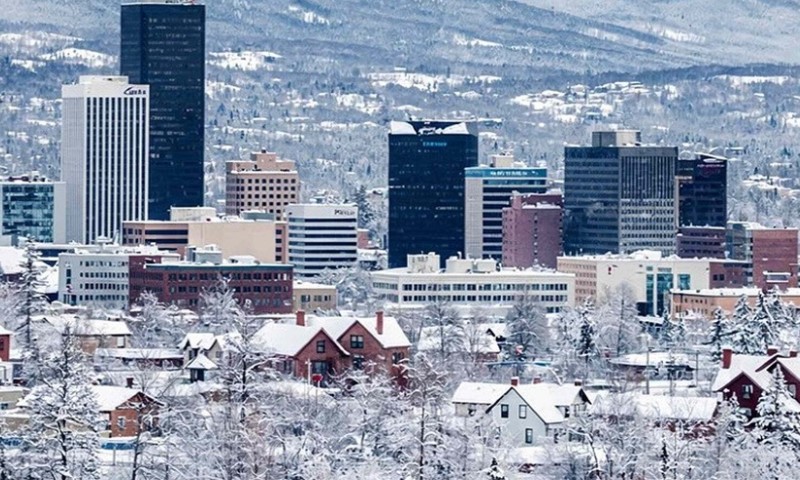
Older investigations offer more geographically specific evidence.
A 1992 study involving 283 residents of Fairbanks, Alaska, identified seasonal affective disorder in 9.2% of participants. Researchers also observed differences associated with age and sex.
Other American studies reported SAD prevalence of 9.7% in New Hampshire and 1.4% in Florida.
More recently, a 2025 systematic review and meta-analysis examined 24 studies involving 32,866 participants. Investigators reported an overall SAD prevalence of 5.01%, alongside a statistically significant association between higher latitude and increased seasonal depressive symptoms.
Subsyndromal SAD, involving seasonal symptoms that do not necessarily meet full diagnostic criteria, had a pooled prevalence of 9.37%.
Those findings strengthen the geographical argument, although the pooled figures represent international study populations rather than a fresh national estimate for Americans. Included studies also relied on questionnaire-based assessments.
Research examining seasonal depression across different countries has not always found equally strong relationships with latitude. Climate, cultural circumstances, genetic susceptibility, and everyday exposure to daylight may influence results.
Northern residence appears to increase vulnerability, but it does not determine an individual’s mental health.
Reduced daylight is a credible contributor, not a complete explanation.
Why Winter Can Trigger Seasonal Depression
Reduced sunlight affects more than visibility. Human biological rhythms depend partly on environmental light, which helps regulate sleep, alertness, hormone activity, and mood.
During winter, shorter daylight hours can interfere with these processes, particularly among people susceptible to seasonal depression.
How Reduced Sunlight Affects the Brain
Circadian rhythms operate on an approximately 24-hour cycle, coordinating numerous biological functions. Light exposure helps synchronize that internal clock with the external day.
Although seasonal affective disorder statistics show geographical differences in reported symptoms, they cannot explain precisely how reduced daylight affects each individual. Biological susceptibility appears to influence how strongly people respond to seasonal changes.
Seasonal changes may disrupt this synchronization, contributing to irregular sleep patterns, fatigue, and changes in emotional regulation.
Two biological systems receive particular attention:
- Serotonin is a neurotransmitter involved in mood regulation. Research suggests that altered serotonin activity may contribute to winter-pattern depression.
- Melatonin is a hormone involved in regulating sleep and wakefulness. Changes in its production or timing may contribute to excessive sleepiness and disruptions in circadian rhythms.
Reduced winter sunlight may also contribute to lower vitamin D levels, although evidence connecting vitamin D supplementation with meaningful improvements in SAD symptoms is inconsistent.
Importantly, these mechanisms are not equally established as direct causes of seasonal depression.
Associations involving serotonin, melatonin, and circadian rhythms provide plausible explanations, but researchers have not identified a single biological abnormality responsible for every case.
Closing Thoughts
Seasonal affective disorder statistics present a familiar problem in medical reporting.
A large percentage attracts attention, but its meaning depends heavily on what investigators actually measured.
Nearly four in ten Americans reporting declining winter moods is a significant finding. It is not evidence that four in ten have a depressive disorder.
Geographical differences are similarly meaningful without being conclusive. Northern populations generally experience greater seasonal mood difficulties, and reduced winter daylight offers a biologically credible explanation.
Recognizing that distinction helps identify people who may benefit from treatment without turning every difficult winter into a psychiatric diagnosis.