

Feeling exhausted has become an almost routine complaint in American life. Long working hours, inadequate sleep, family responsibilities, and persistent stress offer plenty of possible explanations.
Yet new federal health statistics suggest that fatigue is not distributed equally across the population.
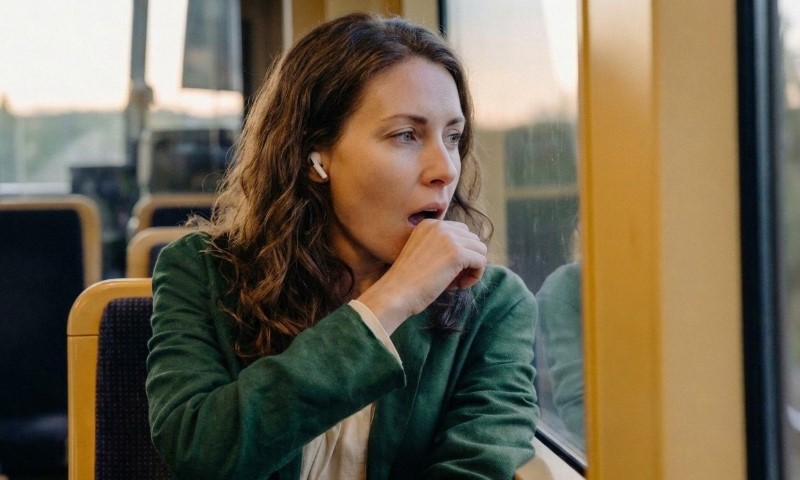
According to figures released by the Centers for Disease Control and Prevention (CDC) in September 2026, 20% of American women reported feeling very tired or exhausted most days or every day, compared with 13% of men.
Across the adult population, 16.6% reported frequent fatigue, equivalent to approximately one in six Americans.
An even larger proportion, 71.5%, experienced exhaustion at least occasionally during the preceding three months.
What makes these findings important is not simply how many Americans feel tired.
What the CDC Data Actually Show
View this post on Instagram
Researchers analyzed responses collected through the 2024 National Health Interview Survey, which included approximately 27,000 American adults.
Results published in September 2026 examined how frequently participants experienced fatigue during the previous three months.
Respondents were asked how often they felt exhausted. Researchers classified those reporting symptoms most days or every day as experiencing frequent fatigue.
Overall, responses produced a fairly revealing distribution:
| Fatigue Frequency | Percentage of US Adults |
| Never | 28.5% |
| Some days | 54.9% |
| Most days | 10.7% |
| Every day | 5.9% |
Women were approximately 54% more likely than men to report frequent fatigue. In absolute terms, however, the difference was seven percentage points.
Distinguishing relative differences and absolute differences matters. A 54% higher prevalence sounds considerably more dramatic, although both figures describe the same underlying disparity.
Age produced another interesting result.
Among adults aged 18 to 34, 19.5% reported frequent fatigue, the highest prevalence among the age groups examined.
Among adults aged 65 and older, that figure fell to 12.9%. Younger women were particularly likely to report frequent exhaustion, placing them among the groups most affected.
Why Are Women More Exhausted?
Several explanations could help account for the gender difference, although identifying plausible causes is considerably easier than establishing which ones matter most.
Biological factors are one possibility.
Hormonal changes associated with menstruation, pregnancy, perimenopause, and menopause can influence:
- Sleep quality
- Energy levels
- Physical well-being
Some women experience substantial fatigue during these periods, particularly when symptoms interfere with restorative sleep.
Certain medical conditions also deserve consideration.
Iron-deficiency anemia, thyroid disorders, and autoimmune diseases can produce persistent tiredness.
For instance, a 2023 study published in JAMA estimated that 38.6% of American females aged 12 to 21 had iron deficiency, although only approximately 6.3% had iron-deficiency anemia. However, it doesn’t establish that iron deficiency explains the higher fatigue rates observed among adult women.
Many women balance paid employment with caregiving, household management, and responsibility for organizing family activities.
Mental demands associated with coordinating appointments, finances, childcare, and other obligations may add to the physical demands of daily life.
Sleep deprivation, psychological stress, inadequate nutrition, and limited physical activity can also contribute to fatigue, although their effects differ considerably among individuals.
None of these explanations is particularly surprising.
Researchers did not establish how much of the gender disparity could be attributed to biological conditions, psychological factors, or household responsibilities.
The Connection Between Fatigue and Mental Health
Some of the strongest associations involved mental health symptoms and cognitive difficulties.
Among adults reporting frequent fatigue, researchers identified substantial rates of additional problems:
- 6% reported symptoms of anxiety.
- 45% reported symptoms of depression.
- 1% reported cognitive difficulties.
Adults experiencing frequent fatigue were more than three times as likely to report depressive symptoms and twice as likely to report anxiety symptoms as adults without frequent fatigue.
Cognitive difficulties were also more than twice as common.
Overall, 89.1% of adults with frequent fatigue reported at least one additional difficulty in functioning. More than half, 50.9%, reported three or more.
Such associations are difficult to dismiss as minor statistical curiosities. Frequent exhaustion often occurs alongside problems that may affect several aspects of everyday life.
However, interpreting the relationship requires some care.
Depression can produce :
- Fatigue
- Reduced motivation
- Disrupted sleep
Anxiety may interfere with rest and contribute to persistent physical tension. Poor sleep can affect emotional regulation, concentration, and energy levels.
Chronic medical conditions may contribute to both psychological distress and exhaustion.
Direction matters here.
Fatigue might aggravate mental health symptoms, mental health conditions might contribute to fatigue, or an underlying problem could influence both.
Survey findings cannot distinguish these possibilities.
Why Persistent Exhaustion Matters
Prevalence figures are useful, but they reveal relatively little about how fatigue affects someone’s daily life.
Duration and intensity provide a more informative picture.
Among adults experiencing frequent fatigue, 38.8% characterized their exhaustion as severe in intensity, describing their symptoms as occurring “a lot.”
Another 46.8% placed their fatigue somewhere between a little and a lot, while 14.5% described it as a little.
Duration was similarly revealing.
Some 45.3% experienced fatigue during part of the day, while 34.5% reported symptoms lasting most of the day. Another 20.2% experienced exhaustion throughout the entire day.
Feeling tired occasionally after a demanding week is hardly unusual. Experiencing substantial fatigue for most of the day, repeatedly over several months, raises a different set of concerns.
Consequences were evident in respondents’ reported activities.
Approximately 36% of adults with frequent fatigue reported limitations affecting their work, compared with 15.3% of adults without frequent fatigue.
Social participation showed a comparable pattern.
Gallup research published in 2024 found that 51% of employed American women experienced stress during much of the previous day, compared with 39% of men. Another 42% said their jobs had negatively affected their mental health during the preceding six months, compared with 37% of men.
Those differences are substantial, although they do not establish how much workplace stress contributes to the fatigue disparity identified by the CDC.
A Meaningful Gender Gap, With Questions Unanswered
One in five American women reported frequent exhaustion, compared with 13% of men. Younger adults also experienced fatigue more often than older respondents , challenging some conventional expectations about age and energy levels.
Equally important, persistent fatigue was associated with substantial mental health symptoms, cognitive difficulties, and limitations affecting work and social participation.
Those connections give the findings clinical relevance without requiring dramatic interpretations.
I would regard the gender difference as significant enough to justify further investigation, but not as sufficient evidence for any single explanation.
Perhaps the most useful conclusion concerns how persistent exhaustion is treated. Fatigue is common enough to be familiar, yet its familiarity can encourage people to dismiss symptoms that materially interfere with their lives.
CDC findings provide a credible measure of that problem and identify groups reporting it more frequently.